top of page

I have formal training in Cognitive Behavioural Therapy for Insomnia (CBT-I) which is the gold-standard treatment for chronic insomnia. I also draw on other evidence-based sleep approaches, including Mindfulness-Based Therapy for Insomnia (MBT-I) and Acceptance and Commitment Therapy for Insomnia (ACT-I), tailoring treatment to each person's needs, circumstances, and goals. 


In addition, I have more than 20 years' experience working with fatigue across a range of health conditions, rehabilitation settings, and workplace environments.

My training and experience has given me an understanding of the complex interactions between sleep and fatigue related to health, recovery, wellbeing, day-to-day functioning and performance.

WHEN IS THE RIGHT TIME TO GET SUPPORT?

Considering that we spend around one-third of our lives asleep (or trying to be), it’s evident that sleep is not a luxury; it is a biological necessity. The quality of your waking life is just as important to manage. Fatigue, for instance, is not simply “tiredness” and getting enough sleep.

Taking care of your sleep and waking experience doesn’t have to wait until you have a problem.

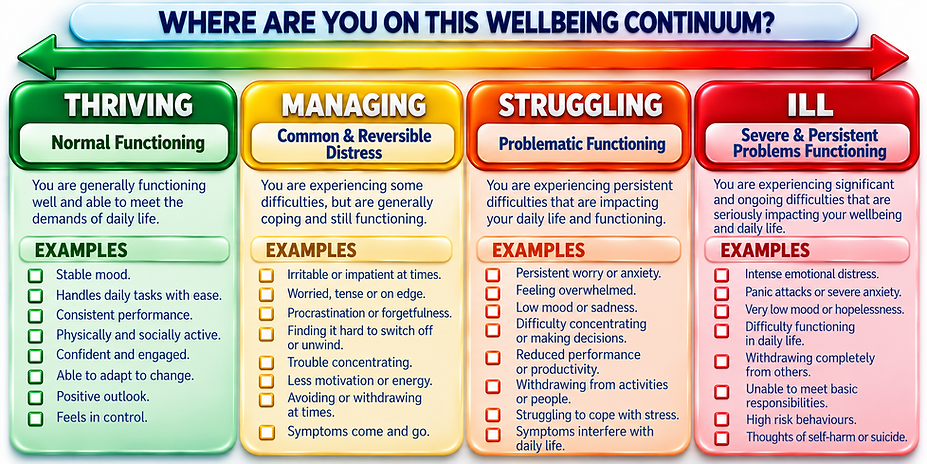
Adopting a PROACTIVE & REACTIVE APPROACH, rather than REACTIVE APPROACH only when difficulties arise, is far more effective for sustaining long-term health, wellbeing, and performance. .

Sleep continnum.png
HOW CAN I HELP?

FOR EXAMPLE,

  • Understanding the benefits of quality sleep on your mind & body health

  • Understand why treatment changes depending on how long you have had sleep issues

  • Identifying stressors that may be impacting on your sleep process

  • How your sleep behaviours may be having an unintentional and unhelpful influence on your sleep​

  • Developing a sleep and/or fatigue toolkit

  • Identify your biological sleep need - quality vs quantity

  • ​How to manage health-related (e.g. pain, injury, disease) sleep issues 

  • Managing a trauma response or nightmares

  • Understand the type of fatigue you are experiencing

  • Learning how to manage your fatigue: ways to save and spend your energy so you have a reliable reserve (sense of resilience)

​​​

- DID YOU KNOW -
QUALITY IS MORE IMPORTANT THAN
HOW MUCH SLEEP YOU GET (QUANTITY)
12.png
THE ORDER OF TREATMENT MATTERS
“Insomnia symptoms occur across several diagnoses like anxiety, PTSD, and depression – but diagnosis‑specific treatments won't (always) resolve sleep.” Posner, D. (2023).
SLEEP HAS A STRONGER INFLUENCE THAN YOU REALISE

It’s a two-way street influencing the flow both ways, but there’s often MORE TRAFFIC GOING IN ONE DIRECTION.

Research shows:

“Sleep disturbance and anxiety are mutually causal, and the effect of poor sleep on anxiety seems to be more significant. Timely interventions targeting sleep may help to break the vicious circle between sleep disturbance and anxiety symptoms, and improve the quality of life". Peng, A., et al. (2024).

“Individuals (60 yrs+) with persistent insomnia were approximately twice as likely to remain depressed, compared with patients with no insomnia”. Pigeon, W. R., et al. (2008).

“Current evidence suggests that sleep impairment more strongly predicts pain than pain does sleep impairment. Additionally, addressing sleep disturbances in chronic pain patients is crucial, as poor sleep has been linked to higher levels of disability, depression, and pain-related catastrophizing.” Jain, S.V., et al. (2024).

For example, 

10.png
14.png

Imagine your wellbeing as a network of roads (mood, focus, immune function, energy, and recovery).

SLEEP IS THE CENTRAL HUB WHERE ALL THOSE ROADS MEET. When the hub is well-maintained, traffic flows easily. That’s why improving sleep often brings wide-ranging benefits; it strengthens the entire network.


Research shows:

“Healthy sleep is necessary for good health, and sleep is important for cardiovascular health, obesity, diabetes, and psychological well-being.” https://www.michaelgrandner.com/about.html

"The emerging data that the treatment of insomnia may promote better medical and mental health (alone or in combination with other therapies) strongly suggests that the question is no longer "why treat insomnia," but rather "when isn't insomnia treatment indicated?" Perlis, M. L., et al. (2021).

For example,

13.png
15.png
BEING TIRED IS DIFFERENT TO FATIGUE

We all get tired — after a long day, poor sleep, or stress. Tiredness is short-term and usually improves with rest, sleep, or good nutrition.

Fatigue, however, is different. It’s a persistent state of physical, mental, or emotional exhaustion. Managing fatigue means more than just “getting more sleep.” It requires understanding and addressing the underlying causes — whether physical, psychological, or occupational. Treatment might involve medical care, lifestyle changes, psychological support, or adjustments at work.

Fatigue is a sign that your body and mind need care and balance — not just rest. Understanding the type of fatigue, you’re experiencing is the first step towards managing it effectively and supporting your long-term wellbeing.

THERE ARE DIFFERENT TYPES OF FATIGUE

​​The Different Faces of Fatigue

Fatigue isn’t one-size-fits-all, it’s multifaceted and can show up in several ways:

Physical Fatigue

This is when your body feels heavy, slow, or weak. But it’s not always visible. Hidden physical fatigue can develop when your body is under constant stress, such as managing a long-term health condition or chronic pain. Over time, this overuse of your body’s stress response can leave you feeling drained.

Emotional Fatigue

Emotional fatigue often arises from ongoing stress, uncertainty, or grief. For example, when someone is coping with illness, loss of independence, or changes to their identity. It’s also common in people who work in demanding, high-stakes roles, such as emergency services, where compassion fatigue and ethical challenges can take their toll.

Mental (Cognitive) Fatigue

This form of fatigue happens when your brain is overworked from prolonged concentration, problem-solving, or decision-making. It can make it hard to focus, remember details, or think clearly, even if your body feels fine.

© H e a l t h W o r k z - CARING FOR YOU & INVESTED IN YOUR WELLBEING

bottom of page